Netlabel Vulpiano Records is celebrating its 10th anniversary with a cassette tape compilation as a benefit for nonprofit digital library Internet Archive (archive.org). Limited to 100 copies and featuring exclusive and favorite tracks from the label’s international roster of artists from Australia, England, France, Italy, Japan, Portugal, Russia, Spain, and the USA. Each cassette is hand-numbered and comes with either a holographic tarot card (78 copies) or an Artist Trading Card collage on a playing card (22 copies), selected randomly. The genre-spanning release celebrates the musically diverse and collaborative spirit of the long-running label with selections in drone, folk, electronic, and more.
For a label founded on a Creative Commons ethos, Internet Archive has long been an indispensable host for Vulpiano: a place for our artists’ work to be free to download, share, copy and redistribute.
Track-by-track commentary:
Natural Snow Buildings’ “Charles Thomas Tester” (Cassette exclusive) The tape features drone / folk duo Natural Snow Buildings’ first track since the 2016 release of Aldebaran: “Charles Thomas Tester”. (Cassette exclusive) A transmission received: the rippling iridescence of droning noise, hushed vocals and reverberating harp is beamed in from some omnipresent locale.
Delicasession’s “Soar (SA90 Edit)” (Previously released on Soar) Settling into corporeal motion, we roam at a trot into the unknown, with synth and string voices in ruminative dialogue. soundcloud.com/delicasession twitter.com/delicasession
ish10 yow1r0’s “in a chilly night, gently hug me” (Cassette exclusive) A concrete jungle at dusk, where many feet splash reflective puddles. 2-step beats skitter through nearby headphones and intimacy is seemingly always out of reach. soundcloud.com/yow-is twitter.com/yow6969_yow
Brevyn’s “Voltage” (Cassette exclusive) Ravers from a nearby club stream past us at a concourse; elevated trains and powerlines thrum overhead as the night city awakens. brev.bandcamp.com twitter.com/voicesontheair/
Osiris Saline’s “Memories from a Dead Star” (Previously released on Memories from a Dead Star) The silence of an astronomical dawn over approaching mountains, the alpenglow punctuated by a lyre. osirissaline.bandcamp.com twitter.com/OsirisSaline
Zapa’s “Ghosts” (Previously released on The Long Trick) The scent of fallen pine needles drift on the air; a nomadic soul nurses a glass before slinking back into the crowd, a plaintive blues can be heard. miguelzapata.net soundcloud.com/mzapa
Neurotic Wreck’s “Funeral of Roses” (Cassette exclusive) Environment is history, and endless spiritual murder and renewal saturates the ground on which we trudge: the kick drum procession ushers on… neuroticwreck.bandcamp.com/music dan-wreck.tumblr.com
Vladimir Luchansky’s “Tint Crackle (Eggshell)” (Cassette exclusive) The whispering gallery effect of the surrounding boulders penetrates our psyche. Vintage electronics and chorals buzz. bisamratta.bandcamp.com www.facebook.com/bisamratta
Taker 51’s “Marte” (Cassette exclusive) In an earlier spacetime, this trance-signal is transmitted via a TV composer’s home studio, perhaps demoed with intent to include on a space-themed rock musical. taker51.bandcamp.com www.facebook.com/Taker51/
Florian Decros’ “Ab absurdo (Edit)” (Previously released on Ab absurdo) The theme continues, propelled through the pulse of new machines, Moroder, Vangelis and mutating futurisms… floriandecros.bandcamp.com twitter.com/FlorianDecros
Derek Piotr’s “Witness” (Cassette exclusive) Once the future is alive and palpable we now refract it through our senses. Tones, glitches and alerts, deconstructions on the other side of the cyberpunk looking glass. derekpiotr.com soundcloud.com/derek-piotr
Lately Kind of Yeah’s “Chaotic Nothing” (Digital exclusive) Nocturnal broodings and fleeting hypnagogic thoughts: the perennial psychedelic bedroom. latelykindofyeah.bandcamp.com
Marilyn Roxie’s “Indigo” (Digital only - previously released on New Limerent Object) Shafts of noon light stream through a curtain, illuminating the dancing of dust sprites. Key strokes echo through an empty building. marilynroxie.com twitter.com/marilynroxie
Credits:
Vulpiano Records logo art by Solange Gularte of Natural Snow Buildings.
Album layout and logo edit by Marilyn Roxie.
Special thanks to Anton Rothschild and Miguel Zapata for their contributions in support of the cassette production, Jinsie Preiss, Nicholas van der Waard, and Brevyn’s feedback in the mixing and mastering process, and the support of listeners and Vulpiano artists all these years.
Playing card collages by Dan Shea and Marilyn Roxie.
5 Underrated Video Game Soundtracks (as selected by Marilyn Roxie)
Pictured:Viridi
For this post I’ve enlisted musician, Vulpiano Records founder and Rate Your Music/Sonemic social manager Marilyn Roxie. As you’d expect, Marilyn’s has a flexible taste that includes both leftfield electronic experiments and kitschy sixties pop, so I’m sure this won’t be their only post for MAM.
Knowing their roots in playing Nintendo 64, I asked Marilyn to list some favorite video game OSTs with lower exposure and/or undeserved obscurity. Being a fellow VGM fan, I know I’ve had my share of examples. I haven’t gotten to the writing yet, but I plan to post my own top 5 in the near-future.
The game (also known as Mischief Makers) is a cult 2D platformer for the Nintendo 64 and a childhood favorite of mine. It holds up as challenging and unique to this day. I think the soundtrack gets overlooked by those who haven’t played the game and decide to dip into it for one big reason: it starts with orchestral versions of a couple of the game’s tracks (“Esperance” and “Adieux”) very different to the rest. If you don’t dig such grandiose sounds, you may not go on, and you’ll miss out on some incredible music.
This reminds me most of Stewart Copeland’s soundtrack The Equalizer & Other Cliff Hangers(Spotify); they share a frantic, robotic energy crossed with quirkiness. Even the textures are similar.The music does a fantastic job of evoking and enhancing the game’s futuristic atmosphere; “Mischief Makers is the story of Professor Theo, a space-travelling Mad Scientist, and Marina Liteyears, his robot creation and assistant, marooned on the strange planet of Clancer. Agents of a mysterious “empire” kidnap the Professor for unknown reasons, and it’s up to Marina to rescue him.“ (TV Tropes) However, you don’t need to play the game to appreciate the industrial thumping of “Volcanic” and the creepy “Obakesong” (a bit of a departure from the usual sound), and lots more. Highly recommended.
This is a case of a great OST for a game that I actually haven’t played yet. Doshin the Giant was a Japan and Europe-only ‘god game’, where you play “Doshin…an embodiment of the sun, a giant who oversees the inhabitants on Barudo Island, a tropical paradise not found on any maps. The player is given a choice of helping the inhabitants expand their villages and found new ones as Doshin, the love giant; or they can also become the hate giant, Jashin, and rain down death and destruction.” (TV Tropes)
I wound up listening because a Vinesauce video used “Paradise Zone” was as background music. The OST is chock-full of the tropical chill-out you’d expect from the premise. At turns soothing or more free-wheeling and veering into colorful exotica territory, Asano stirs up a great range of emotions throughout. “The Island Of Memory” is my personal favorite. A stunning and sweet OST that makes me want to play the game.
Mystical Ninja: Starring Goemon is another N64 game that sometimes falls by the wayside, though it has gotten much more attention than Mischief Makers due to it’s part in a long-running series and an English-localized sequel (Goemon’s Great Adventure).
This one may start on an awkward note for someone who hasn’t played the game, with a wacky vocal theme song (a rarity for N64 titles). What you get in the bulk of the soundtrack are several tunes inspired by Japanese traditional music, inflected with a touch of surrealism and electronic weirdness when appropriate, fitting the setting of the game: “The story follows Goemon’s struggles to prevent the Peach Mountain Shoguns gang from turning Japan into a Westernized fine arts theater.” (Wikipedia; really, I’m amazed this was translated into English at all).
Viridi (available on Steam) is a calming life sim game where you grow and care for beautiful succulent plants. Full of soft keyboards and chimes, each music track blends into the next and form a totality of cute, delicate melodies that mesh perfectly with the game’s theme. “Cucurbita” is my fave.
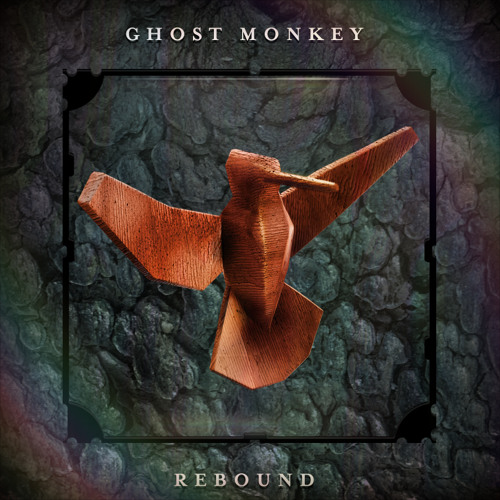
Zen Bound 2 (available on Steam)
is a relaxing puzzle game requiring the player to use string of a
limited length to wrap differently shaped objects to the best of their
ability. The music by Ghost Monkey is far from obtrusive, merging
seamlessly with the game through it’s downtempo rhythms and organic effects
that emulate tumbling rocks, falling water, or rapping on wood. “Unpaint My Skin” is the stand-out for me.
Vulpiano Records founder/owner Marilyn Roxie offered to create a video for one of my Liquid Sunlighttracks (”Moonbow”) and this is the result! I’m extremely honored to know someone was inspired by my music in such a way, and it’s amazing to see such evocative visuals accompany one of my own creations. Please watch if you can!
Following up from his gorgeous Triangleearlier this year, Zapa returns to Vulpiano with the year-end EP Images, as gentle and soothing as the soft blues on its cover.
Acoustic guitars, vocals, harmonica, percussion and all music and lyrics by Miguel Zapata
Easy Ride features ‘Love Is More Thicker’ by E.E. Cummings
With Fabio Mahia on electric guitar (Blue Mist, Images) and drumkick (Easy Ride), Dani on sax (Blind Road), and Hamilton Belk on pedal Steel (As Time Goes By)
Artwork by Miguel Zapata with support from Maria Prieto-Puga
Get up to speed with some of the latest releases from international netlabel Vulpiano Records. Our tenth sampler compilation features 10 recently released songs, including tracks from the 2018 Netlabel Day special release series. Electronica, rock, pop, and experimental - you are sure to find something here that will delight.
1. Kariatida - Belle et triste 2. Mutestare - The Golden Homunculous 3. Vukovar - Tryst of Emanations 4. Xqui - Orange 5. Brevyn - Sea Cave 6. Delicasession - Illusions Part 1 7. Branch Line Idols - Decision For You 8. Osiris Saline - Tend to It 9. Richey Hackett - The Ambulance 10. J. G. Hackett - Now Experience Each Other’s Deaths Through Social Media
Oh stop groaning, you can name a piece of writing with a Woody Allen pun when the person you’re writing it about is a cultural Zelig.
Soon there’s going to be a whole generation where the Bowie they remember is the dead Bowie. The sanitised version who is forming in the popular imagination. Then after that there’s going to be a generation who don’t have a Bowie. Figuratively and literally, kids born into a post Bowie era. Pity them more. I guess how you first encountered him is a question of when you grew up and your surroundings: a guy I worked with at my last job, 20 years older than me, announced “That guy from Labyrinth is dead!”. Presumably, somewhere, there’s a die hard Merry Christmas Mr Lawrence fan who was mourning the death of Jack Celliers. We may never know.
For many people the Bowie they remember is Ziggy Bowie, whether they were alive to see him bringing bisexuality onto the BBC or not. Maybe this is one of the reasons behind the recent cringeworthy trend of calling him “the Starman” the same way that faux-matey twats call Paul Weller the Modfather. Maybe it’s just that these people are idiots. Bowie himself didn’t really seem to think of Ziggy as an enduring character or perhaps he just felt like he’d said all he could through that conduit. He laid him to rest after Aladdin Sane after all: around 42 years before he finished creating. Ziggy was really strictly speaking a footnote. The relatively anonymous figure of Major Tom, however, was one he kept returning to: after Space Oddity he came back in Ashes To Ashes, then again in Hallo Spaceboy (the Pet Shop Boys remix particularly) and then finally we see him dead in the Blackstar video.
Ashes To Ashes for instance: Major Tom is strung out in heaven’s high and hitting an all time low. This, though, at a time when Bowie’s cultural stock was quite high. He was incredibly cool. He was still selling a lot of records. He was the one person who could hang out in the living room of a confused and senile Bing Crosby or at a tiny punk gig and fit equally well with either. There was no point reviving Ziggy because a whole load of New Romantics and Goths were doing it. The fact that this new flock of painted birds were very inspired by him was something that’d become crushingly obvious when Bauhaus did their borderline karaoke version of Ziggy Stardust in 82. Bowie embraced his bastard children with open arms, casting them as his grim entourage in his video, with one notable exception.
Gary Numan. A huge fan who wound up getting thrown off the set of a TV show they were both on and being dismissed as the “same old thing in brand new drag” in Teenage Wildlife because our man was feeling a bit insecure about this new pretender. Which is a bit rich, really, considering that young Bowie himself was a fusion of Iggy, Newley, Scott Walker and whoever else he could latch onto. Numan was certainly no more derivative than Bowie and it wasn’t just Bowie he was drawing from: he drew as much from JG Ballard and Philip K Dick novels and John Foxx as he did from the Spider from Bromley. It’s allso amusing considering that he sings Teenage Wildlife in a voice uncannily similar to that of Billy MacKenzie, who his people had recognised the grand high art high camp potential of when they heard the Associates cover of Boys Keep Swinging and offered them a publishing deal; then later on “The midwives to history put on their bloody robes” is delivered in the voice of another Bowie acolyte, Richard Butler.
Make no mistake, Ashes to Ashes is simultaneously a high water mark, a brilliant pop record and the point where Bowie stopped being ahead of trends and started chasing them. It just so happened that a lot of these trends were started by people catching up to him. Confusing, no? In fact, this is the one point where you could maybe give some credence to the lazy critics idea of Bowie as “chameleon”. Now at his best Bowie was never a chameleon. Especially when he was first Ziggy, actually because there’s no way Bowie / Ziggy was blending into the background: he was an incredibly beautiful, sexually ambiguous peacock character. But during the 80s he did blend in quite a lot. He was just another one of the rank and file whether prancing about onstage with anonymous session hacks on the Glass Spider tour or just being “one of the guys” with Tin Machine. It didn’t really suit him. It was unnerving. It still seemed like a costume but a very lazy one. The equivalent of Bowie turning up to the macabre Halloween coke party of 80s pop in casual clothes and saying “I came as David Jones”.
So the next time we saw Major Tom in a lot of people’s eyes he really was hitting an all-time low. Not everyone’s, not the die-hards and not people who buy and listen to music based on what they hear, not what they’re told by a music press who had been swallowed up by the sexless and jingoistic Britpop craze. See, with Outside what he’d done is released an elaborate concept album rife with pervy sexualised violence, violent sex, drugs, strange invented characters and references to obscure artists and art movements like Chris Burden (already visited in the Berlin days on Joe The Lion), Herman Nitsch and the Vienna Actionists. The visual component was a huge part of it all again, with unnerving videos like Samuel Bayer’s The Hearts Filthy Lesson. In interviews he was talking up Tricky and The Young Gods and saying how much he wanted to work with Glenn Branca. Being ahead of the curve by talking about the power of the internet as everyone thought he was nuts. He was even working extensively with Eno again.
You know - the sort of thing you want from Bowie!
This isn’t what the British music press wanted. They wanted safe flag-waving and to be told what they knew to make them feel like they hadn’t dumbed down to a degree which is still marring pop music with waves of Oasis clones because for a while it was acceptable to make bland drivel devoid of imagination or sensuality. They smeared Bowie’s dabbling with jungle and drum'n'bass as a sad old man trying to stay in touch when in reality it was really just in continuity with him learning to play sax as a teenager because that’s what all the cool jazz musicians he looked up to did, making “plastic soul” on Young Americans and welding the cold European sensibility of Low, “Heroes” and Lodger to the beating heart of the black American rhythm section of Davis, Murray and Alomar. Cultural segregation, two world wars and one world cup was what they wanted and they didn’t want ageing mavericks showing up and demonstrating how hopelessly conservative they were.
A lot of the incredibly dull music being hyped up to the skies was, just like it was with the New Romantics, made by Bowie fans. So the time was right for him to come back but could he have not just have given them Ziggy again? Something with nice short songs, loud guitars, some dramatic strings. This time a bit more hetero, though, so the lads mag readers weren’t left shifting about uncomfortably again the way they were whenever they saw Richey James Edwards.
“Do you like girls or boys? It’s confusing these days”
If you’re not paying attention you can almost miss it but Hallo Spaceboy is, in fact, mentioning Ziggy / Bowie as much as it mentions Major Tom if not more. In those two lines we see Bowie cagily re-opening the closet door now it’s safe for him to do so, and doing so on a mind-fuck of a concept album closer to the spirit of Ziggy or Diamond Dogs than almost anything he’d done since (The Thin White Duke was as much coke psychosis as an actual character). Before this the last time he was really clear about this was on Scream Like A Baby where he talked about queer bashing (“They came down on the faggots”) and obliquely mentioned a gay love affair. Then let’s look at the remix: it doesn’t get much gayer than The Pet Shop Boys, really, does it? The Pet Shop Boys remixing a song from a polymorphously perverse album where he sings from the point of view of various genders: just listen to his alarming pitched-up Baby Grace voice or the strange androgynous Vocoderised ice queen voice of Ramona A Stone.
Most offensively of all, though, however much you laughed at him it didn’t really work because he was very aware that it was funny. The segues between tracks were full of gallows humour and the Algeria Touchshriek voice sounds like nothing so much as Peter Cook’s E.L. Wisty character; it’s very serious stuff but as you hear Bowie intone “The screw is a tightening atrocity, I shake as the reeking flesh is as romantic as hell” in The Voyeur Of Utter Destruction (As Beauty) there’s a faint smirk under it. He is always aware of his own absurdity.
Outside didn’t spawn any of the sequels he talked about doing but it’s no surprise: artists tend to talk about at least five times as many ideas as they actually follow through and work on. There were drum'n'bass and jungle rhythms creeping in on I’m Deranged and We Prick You, some classic Bowie ballads like Strangers when We Meet (itself, like Teenage Wildlife, in the “Heroes” continuum and one of my favourite Bowie songs) and some homages to what Scott Walker was up to at the moment like The Motel or A Small Plot of Land. He wasn’t setting the trends now: he was following them and the best you can hope for is that rather than trying to assimilate into it as he did in the 80s he was putting them into the Bowie blender.
This, however, misses the point that he was never that original in the first place! The way he presented his ideas was, and he had a unique singing voice but the fact is that he just had his ear to the underground and did these things to a mass audience so they just looked new. In that respect Outside is no more or less original than Low or one of the records everyone goes on about it just happens that when it came out it wasn’t the first time the masses were hearing these sounds as it was when he made the second side of Low which sounds like Cluster or Harmonia. Bowie’s value wasn’t as an inventor of new sounds it was as a way of making them digestible and emotionally accessible to everyone in a way which may then allow the actual innovators (and he did always cite his sources) to break through to more success: this is quite laudable.
So then of course he went on tour with NIN, continuing to refuse to “act like a man his age”. Now this raises an interesting question about Bowie’s public perception. How is it that he was an old man 20 years ago when he was in his late 40’s - early 50’s but then when he died he was too young to go? Could it be that as rock'n'roll, still a young artform, develops that our perceptions of performers capability changes? The fact is that for a pervy old man, as he was labelled at the time, he still looked very youthful and very vital. Far sexier, far more dangerous than any of the Britpop boys who’d grown up on his music but who shuffled about in tracksuit tops and shapeless jeans. As this live TV clip shows, with Gail Ann Dorsey looking just as androgynous and unworldly as he ever did but with seemingly the minimum of effort; and Mike Garson looking deranged.
The right people were listening: Fincher saw the potential to run The Heart’s Filthy Lesson over the credits of Se7en and Lynch used I’m Deranged in Lost Highway. Both were similarly grim end of the 20th Century blues, meditations on madness. Both soundtracks, coincidentally enough, featured the work of NIN and Coil: it’s a little frustrating how close in terms of interests Bowie and Coil are, how few degrees of separation there are between these immensely influential queer occultist artists and that they never actually worked together.
He continued in this vein with Earthling, still upsetting everyone by continuing to do what he felt like doing rather than digging up old characters. A subtle “fuck you” to the beige whitewashed sounds of Brit-pop in the cover where he wears a stained and tattered Union Jack coat as he looks out over an idealised version of England’s green (screened) and pleasant land. This on an album as infused with contemporary black music as Young Americans was. Even his huge 50th birthday show was as much of a celebration of Bowie present and looking forward as a fond look at what had been. Then, of course, “Hours” came.
Now “Hours” is perhaps an unfairly maligned album: if anyone else had put out an album with songs as great as Thursday’s Child and Survive on they’d be praised to the skies and rightly so. They are moving, perfectly constructed pop songs but there’s no real fire or spark of innovation in them. What little emotional impact there is has been drowned in high-tech production that covers everything in an unpleasant sheen. This is possibly as much Mark Plati and Reeves Gabrels fault as Bowie’s as this is his most straightforwardly collaborative album (with every song co-credited to Gabrels) but I’m not sure. I feel like Reeves Gabrels gets unfairly criticised as he’s been involved in some of the most ridiculous things Bowie has done (i.e. Tin Machine) and he appeared onstage in daft outfits playing wanky guitar solos.
He’s also been involved in some of my favourite Bowie songs, however, and if you see him playing with The Cure he’s not as huge a presence. He’s not jumping all over everything with fretboard tapping and lunging around waggling his tongue like Gene Simmons with a PhD: this implies that he cut such a larger than life figure because his boss wanted him to as much as anything else. So despite his persona bordering on that of a middle-aged man enthusiastically demonstrating FX pedals to you in a guitar shop, blaming him too much is misguided.
According to the excellent Pushing Ahead of the Dame blog, it was around this time Bowie started thinking about making a Ziggy Stardust film and as such he was annoyed by Velvet Goldmine’s fictionalised steps into the same territory. Todd Haynes’ Velvet Goldmine is an enjoyable film but I can see why he’d be so annoyed with it: it is clearly the work of a gay fan feeling betrayed by him “going back in” circa Let’s Dance. Possibly the great man was realising this wasn’t one of his best moves however well it worked at the time. After “Hours” was out and around the time of Heathen in 2002, Bowie changed his tune regarding Ziggy: “I’m running like fuck from that…Can you imagine anything uglier than a nearly 60-year-old Ziggy Stardust? I don’t think so!“.
Similar ambivalence towards the idea is hinted at by the shelving of the video for the Pretty Things Are Going To Hell (itself a dual reference to The Stooges and Hunky Dory) where Bowie is menaced by huge puppets of past characters: the Pierrot from Ashes To Ashes, The Man Who Sold The World, The Thin White Duke and of course Ziggy. Maybe he judged it to be a bit on the nose.
It is an interesting change in perception we’ve undergone. In 1996 he was too old to be performing like he used to do but in 2013, at the age of 66, there were whispers about how great it’d be if he toured again. Not in any other industry do you expect a 66 year old man to get up onstage and dance about trying to be sexy for two or three hours a night. He could’ve done it like Dylan or Cohen (who only started touring again when he was much older than Bowie, true) but it wouldn’t really have been his style: here was a man for who dance and mime and stagecraft had been an integral part of what made him a star. It’s still very present in his last videos and one of his final works was an honest to God musical after all.
So in the Blackstar video when we see that Major Tom is dead and at peace at last what are we to make of it? Clearing house for a whole new phase of experimentation and new ideas or a man on his last legs knowing that even if he didn’t die straight after making this album he didn’t have forever and was in the winter of his years? This is where we start to maybe give him too much credit. He was a man, and a great man but not a superhero. Superheroes don’t do things like release terrible covers of Iggy Pop songs with Tina Turner bolted onto them.
“Ah but he only did that to keep his good friend financially solvent.”.
Okay, good point.
He was a very intelligent man but not some towering inhuman intellect who could’ve predicted the moment Blackstar’s "Something happened on the day he died, his spirit rose a metre and stepped aside” soundtracking the moment we knew we knew we knew. Maybe he predicted that it’d be a long while before somebody else took his place because things aren’t set up that way. The industry has no interest in promoting bravery, the shock of the new. But he can’t possibly have predicted that he was soundtracking millions of people thinking “He’s gone, isn’t he?” when he wrote that in remission. To think that he did is ridiculous, isn’t it?
Isn’t it?
January 10th 2017
DAVID BOWIE, PART 1 BY DAN WRECK
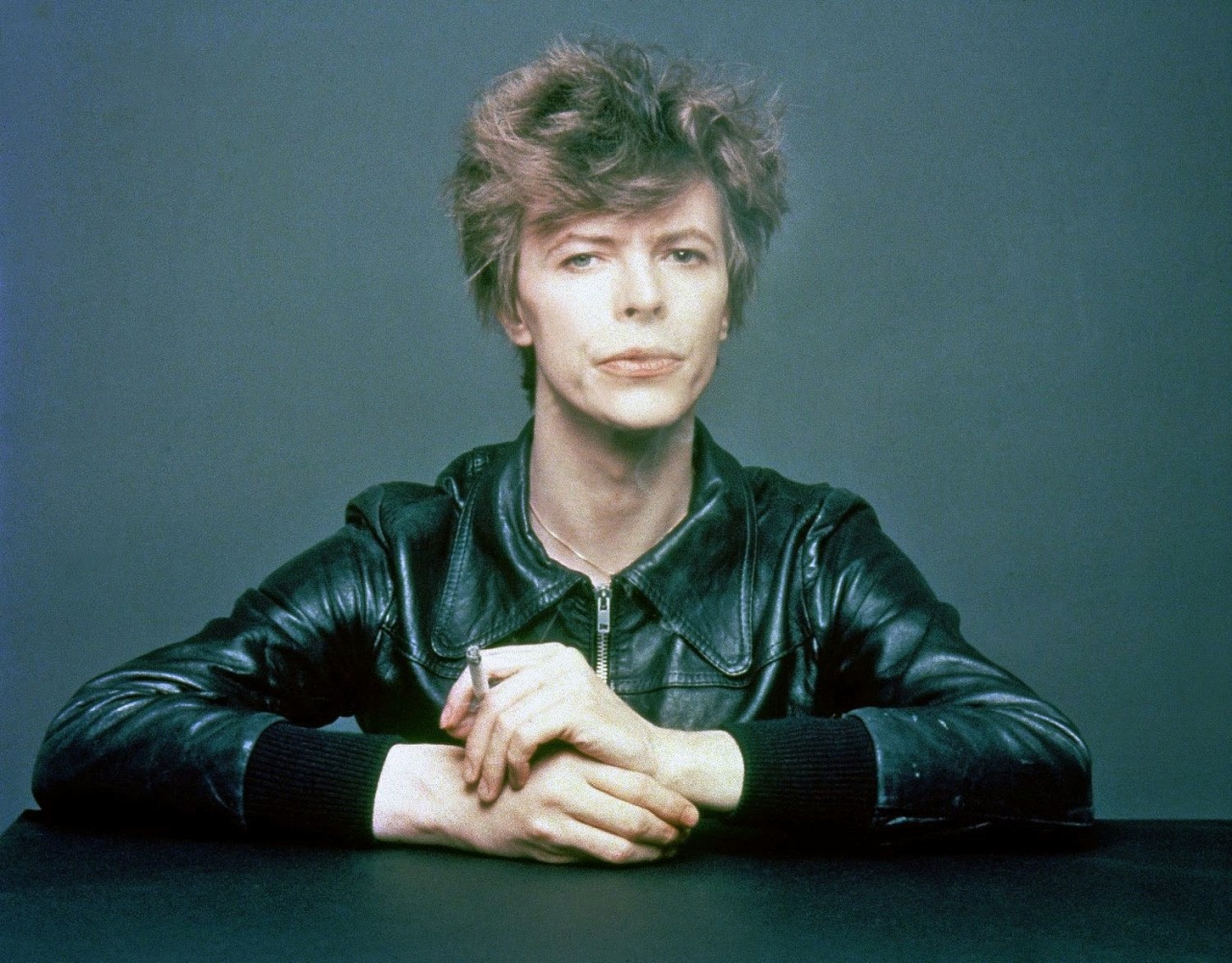
Photo: David Bowie, by Masayoshi Sukita
BOWIE #1 - DEATH
Anything you write could be your epitaph, as an artist.
If you’re fortunate enough to have an audience, then the last public proclamations you utter are both eulogy and epitaph: imbued with whatever poignancy the audience wants to put into them. Whatever we want to read into it we can and we will because greedy consumers all, the customer is always right. It’s sad and inhumane but when you’ve made yourself a product what else can you expect?
It feels tawdry to even discuss this, but seems obligatory: he managed to keep his cancer from the media right up until the end. He’d “withdrawn from public life”, as the saying goes albeit a very extraordinary withdrawal from public life where he still released albums, appeared in music videos and gave his blessing to the huge Sound and Vision exhibition which exhibited many of his personal effects and revelled in his past.
It’s the kind of sleight of hand withdrawal from public life you’d expect from a man who, it is easy to forget now, came out as gay in 1972 on the front pages of the music press. This at a time when no one was really coming out: still a very brave thing to do. Not something you did just to get a slot on Ellen to plug your book. He later adjusted it to being bisexual (which would still be brave now given how many idiots don’t believe bisexuality exists), then told everyone he was straight when he was expedient for him to do so (in 1982 conveniently distancing himself from the gays when he wanted to be even bigger) then quietly years down the line came back out again when it was safe to do so.
This is also a man who once upon a time gave the gossip magazine HELLO! magazine an exclusive, having them cover his wedding to Iman. In September 2000, the birth of his daughter also merited a HELLO! exclusive. This is the kind of thing we bitch at footballer’s wives for doing. So let’s not pretend he was a shy and retiring man as we shake our heads and bemoan the circling ghouls and grief culture even as we lap it up. But just as it was his right to make his personal life a matter of public record, it was his right to make the end of it private and shared only with his close friends. Remember, he owed us nothing and gave us a lot.
POSSIBLE EPITAPHS #1 and #2 - I CAN’T GIVE EVERYTHING AWAY / LAZARUS
I Can’t Give Everything Away.
A title that both makes a mockery of my point before about how he was as much of a media tart as anyone else and agrees with it. Depending on where you lay the emphasis.There’s a well known critical theory of the death of the author which basically says that we, as the readers of a given text decide what it is about and all interpretations are equally valid. It’s not one I subscribe to but it’s an interesting thought, especially after the literal death of an author.
I Can’t Give Everything Away is a beautiful song with motifs from the rest of his back catalogue sprinkled through it: a touch of New Career In A New Town in the harmonica intro, something of Thursday’s Child about the vocal melody, hints of Black Tie White Noise in the arrangement. The vocal delivery, though, is purely Blackstar. It’s not just a homage, it’s the Sound & Vision exhibit in the form of a song. What a performance it is, too. When I first listened to Blackstar five times in a row, before the author was dead, I welled up hearing it then too. There’s so much joy and yearning he fits into the repetitions of the title. Then biography bleeds into it and the repetitions of the word “Away” are the ascension of a soul.
“Look up here, I’m in heaven”
The same way that Jhonn Balance’s repetitions of “It just is” at the end of Going Up from his own accidental epitaph Ape Of Naples say a lot in very little, it’s all in the delivery and the space between the words. I mention Balance partly because he’s one of the few artists I love and respect as much as Bowie, and someone I feel a close connection to despite never having met (maybe on the next bardo) and partly because of the very Coil looking black sun appearing very prominently in the Blackstar cover art and the video for this song. He must have known: this isn’t the SS variant of the black sun you see used by right-wing morons who underestimate and wilfully misunderstand the power of this imagery. It’s not a sun wheel. It’s a black sun. The brightest of all Blackstars.
Of course Bowie was no stranger to using, dwelling on and disseminating the kind of occult imagery which has been misappropriated by incompetent, bigoted idiots at different points in history. There’s been a thread of it running through most of his career: from the first verse of Quicksand’s references to Crowley’s Golden Dawn and “Himmler’s sacred realm” to the magickal undertones running through 1.Outside that he unfortunately dilutes by couching in references to piss artists like the then contemporary Brit School of artists. Most explicitly, though, he was pre-occupied with these themes around the time of Station to Station and in the Lazarus video we get a more explicit link to Bowie past in the same outfit from the Station to Station back cover.
In the Bowie’s Last Five Years documentary we hear that he found out it was, very likely, going to be terminal as he shot the video for Lazarus. Once again life and art merge and make something that was already moving into something heartbreaking. First I’m going to focus on the video before I get to the song itself.
If you’re reading this I’m 95% sure you’ve seen the video a few times but there are two things which’re particularly moving about it when art meets life so unfortunately this will at first seem like I’m just describing things for the sake of it.
The first is the joy and release with which he sings, bedbound but levitating.
The second is is the moment where, before, vanishing off into the cupboard, he looks up with pantomime worry before scribbling down some notes. He is shaking as he writes them as if battling to get these last thoughts, they’re struggling to come and he laughs with relief before finally putting pen to paper and getting these last ideas out before the inevitable.
The thing about writing your own pitaph is that, well, presumably you’re still alive after you’ve written it and you can’t stop there. Having put that to rest, as an artist, you move onto something else. There’s always something else ahead, something which could be bigger and better and brighter until one day well there just isn’t. You need to finish it now you’ve started even if it looks impossible because you can’t just stop mid-stream or mid-word. But about when the full stop arrives before you do? Unthinkable. Before you’re interrupted, before it’s time to put your pen down the heart screams “But wait there’s more.”
Now onto the song itself. Another one of his many beautiful vocal performances but with a vulnerability you never usually heard from the man. The grain of the voice, the way you can almost hear his throat muscles teeth and tongue as he sings “I was living like a king”, the k sound in “like” rattling with phlegm and the dying rasp of “king”. It’s hard to know when to be frail when you’ve lived as a king. In fact, even more than a king. Bowie was almost a construct. At points in this song we’re hearing the man David Jones.
POSSIBLE EPITAPH #3 - THE NEXT DAY
The Next Day as a whole really plays with the idea of the ageing artist talking about mortality and despite the fact that it isn’t as good an album as Blackstar everyone would’ve reacted the same way if he’d died just before or just after releasing The Next Day. For one it’s the first Bowie album not to display his face (even as distorted as it appears on 1.Outside it’s still him, it’s just him after he worked out how to play with filters in Photoshop). We get an iconic image from his past with his face obscured by the title as if to say “The Next Day won’t include my face” (good at this ascribing pointless significance to things which don’t mean anything of the sort aren’t I? Pitchfork should give me a ring. Or The Sun.).
The Next Day is rife with references to death, ageing, disease and dementia. The title track built around the refrain “Here I am not quite dying” and a chant of “And the next day and the next day” redolent of Macbeth’s final “Tomorrow and tomorrow and tomorrow”. As on parts of Blackstar he spends a lot of time looking back, more explicitly than on Blackstar in fact, particularly on the first single Where Are We Now, a lovely sorrowful song full of space and ache in a way he tried to do on Hours but didn’t really manage. It was accompanied by a video of our ageless hero starting to look, well, look his age. On You Feel So Lonely You Could Die, which isn’t a great song in my opinion, after talking about seeing a former foe’s hanging body, he leaves us with that iconic Five Years drumbeat echoing out into nowhere. The album closer Heat bears a remarkable similarity to The Motel from 1.Outside and thus also to Scott Walker’s Climate of Hunter or one of his songs off Night Flights. A great track, and another example of the great man not insulting his audience’s intelligence / giving us something to go seek out and read (the Mishima references) but as epitaphs go not one worthy of the great man. The Next Day is an enjoyable album but fairly underwhelming once you got over the excitement of Bowie doing an album for the first time in a decade which was obviously something.
What really impressed me as a gesture was The Stars (Are Out Tonight) and particularly the accompanying video where Bowie and Tilda Swinton are a married couple and Andreja Pejic is in it being impossibly beautiful as Andreja Pejic is prone to being. After going back in in the 80’s one of the things he did in this cycle was remind us queers he was one of us and he still cared. That he did so while at the same time skewering the same celebrity culture he fed into by uneasily straddling the boundary of Celeb and Celebrant is the sort of having your cake and eating it too genius we miss him for.
It’s also worth dwelling on how confrontationally gender-skewing the video (directed by Floria Sigismondi) is in a way you see from few artists as prominent as him even in this day and age: aside from the aforementioned inspired choice of Pejic, casting Iselin Steiro as a young Bowie is a master-stroke as is Tilda Swinton as Bowie’s wife: perfect. His video wife is the only person in the world who looks like him. It’s just a feast of androgyny.
POSSIBLE EPITAPH #4 - BRING ME THE DISCO KING
The closing track on Reality, pre-hiatus and pre-heart attack. Again a very youthful looking and sounding Bowie but for a long time it looked like it was going to be the last thing we saw or heard from him (apart from Little Fat Man in Extras of course which I’m sure some earnest journalist would’ve managed to contort themselves into calling a “dying man’s final joke” or something).
A rolling, roiling jazz song with Mike Garson’s piano playing the perfect foil. Full of intimations of doom undercut with an almost Zen resignation. An album closer opening with the words “You promised me the ending would be clear” and containing the line “Soon there be’ll nothing left of me, nothing left to release”. For a while it looked like there wouldn’t be and that he’d settled into being human at last. Just like Damiel in Wings of Desire, an angel who walked among us who gave it all up in favour of beauty you can only really appreciate if all things are finite. Wistful reminiscences of his past “killing time in the 70s” from a man who it was often said was resistant to looking back but you’d be forgiven for thinking (if you believed the critics that is) that he did nothing but.
Of course, as beautiful and sepulchral as the song is, it was written as far back (maybe further, this isn’t Pushing Ahead of The Dame I’m not quite that good a writer or Bowie scholar) as Black Tie White Noise and an attempt was made at recording it in the Earthling sessions. It may be an epitaph but one there had been multiple drafts of. Still, it doesn’t matter when you write it it just matters when you put it out and there’s a certain grandeur given to something by it having been pored over for so long. To think of another great songwriter who died in 2016, Leonard Cohen, you don’t think You Want It Darker or Treaty were just off the cuff from the man who spent years writing and honing Hallelujah, do you? No. Until it is written in stone an epitaph can undergo many revisions and be replaced by others, this to be replaced with The Next Day the way Heathen was replaced with this.
POSSIBLE EPITAPH #5 - HEATHEN (THE RAYS)
Yes, I know it would’ve been shocking for him to go at this age, especially considering how healthy and youthful he looked at the time (he was in his mid 50s, obviously a young age but looking even younger) but for the purpose of this exercise imagine he did. It would’ve been sad but he never would have had to meet Ricky Gervais. Imagine that the title track from Heathen is the last new song you hear from him. Mournful skeins of effects drenched guitar, a distant tribal throb then the man himself enters the picture.
“Steel on the skyline, sky made of glass”
A voice frozen with existential horror, glazed eyes fixed forward, the horror of Colonel Kurtz or anyone who has seen death and truly looked at it without flinching or looking away. A vision of their own death, maybe. All of our deaths. A man singing to his God or to the concept of death itself. Maybe to the angel he sang of as a younger man in Look Back In Anger on Lodger. Maybe the angel who renounced immortality knowing what comes next. Rhetorical questions.
“Is there a reason?”
“Have I stared too long?”.
Then maybe he’s singing to life itself:
“You say you’ll leave me
When the sun’s full
And the rays high
I can see it now
I can feel it die”
The way he sings these last few words and the wordless phrases after it, full of anguish and loss, is chilling even knowing he lived for a while after it. If he hadn’t, it would’ve been his epitaph and it would’ve been a beautiful one, the Berlin synth atmospherics twinkling away, rays of cold electronic light in the short instrumental outro which fades out and ends as suddenly as….well, life. It can end at any moment you know (you know, you know).
Speaking on the song itself in an interview he describes the writing process as some kind of traumatic epiphany:
“In the distance a car was driving slowly past the reservoir and these words were just streaming out and there were tears running down my face. But I couldn’t stop, they just flew out. It’s an odd feeling, like something else is guiding you, although forcing your hand is more like it.”
Some people talked about the remarkable synchronicity between him writing these songs pre-9/11 and the tragic events of that day but really, is there? Any more than there’s synchronicity between any songs mentioning death and a skyline and 9/11? We feel this because he’s a voice we look up to, saying these words, and we have decided that’s what they mean. In the same way that if he had died after making Heathen it would have been a vision of his premature death. Funny phrase that. Either all deaths are premature or none are. We make the pieces fit and create our own context. Just to make my point…..
POSSIBLE EPITAPH #6 - ROCK AND ROLL SUICIDE
I’m not suggesting he committed suicide in this alternate past but what if Ziggy really had been it? What if he’d fallen silent after that. Knowing the man’s love of being the centre of attention unlikely but what if?
Imagine you’re a gay teenager in 1972. Something integral to your very being, the way you are has been illegal up until 5 years ago. Things are going to be shit for you in a very different way to the way they are now: although nowadays if you happen to have been born queer you’re still four times more likely to kill yourself but that’s okay because if you survive long enough to grow up you can get married now so get over it, faggot. Maybe Bowie / Ziggy would’ve been a ray of light when you saw him and realised that you couldn’t be all bad because maybe the coolest and most beautiful man you’d ever seen was the same as you. He was obviously totemic for queer people of that generation. Dockers in Liverpool saying they’d give Bowie one oblivious or uncaring of the fact that was a bloke they were talking about because it’s not a matter of gay or straight or bisexual: fancying early 70s Bowie is just a matter of common sense.
“Oh no love you’re not alone”
If that’s all he’d done, if he’d told us all he was gay, left us with Ziggy and then when he announced “This is the last show I will ever play” he’d kept to his word then he’d still have been more than a footnote in history. It’s all context.
Everything that came later, his pathetic attempt at “going back in” the same way dear old Lou did when he sang Women on The Blue Mask, none of this matters now and it definitely didn’t matter to the confused queer kid in a small town in 1972 who for once saw someone who moved the way they’d like to move. None of this shit had happened and even when it did it didn’t retroactively undo all the good he’d done for you. Sometimes that’s all it takes. Sometimes that’s better than a million It Gets Better PSAs from straight actors who think that the approval of someone a million miles away with millions of pounds means anything to someone who is getting it from all corners, inside and outside of the home. Than a million pro LGBT statements from politicians who work in education ignoring the fact that sometimes it’s not just the pupils who’re bullying you because they reckon you were born wrong. These words, so easy for them to say and so hard for them to believe.
“If I could only make you care” is the crucial line. There’re no false promises, it’s just “Gimme your hands ‘cos you’re wonderful” as Mick Ronson’s guitar wails an echo of the words “Give me your hands”. It’s a romantic idea but maybe this saved someone. Maybe that’s the most fitting epitaph of all. If you can touch the lives of people you’ve never met and they feel something real when you die then you must have done something right. Being someone’s hero, that means the world.
May 05th 2016
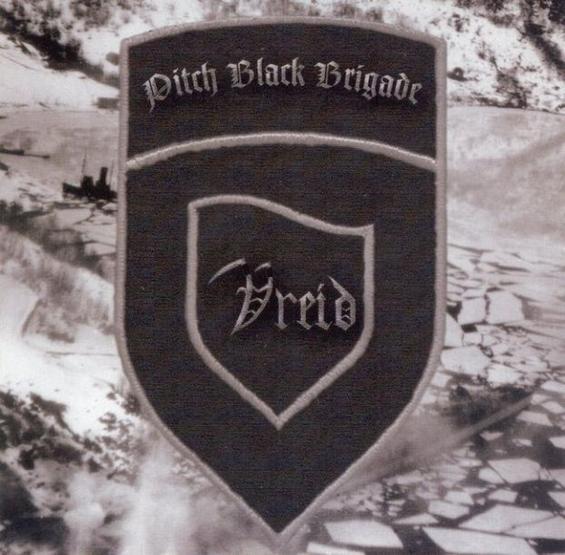
Dan Wreck’s Review of Vreid - Pitch Black Brigade (2006)
I am in no way an authority on black metal so don’t write to me saying “you don’t know what you’re talking about” as I’m aware of that. This is just me using a highly recommended ten year old black metal record to try to develop my understanding of it. However, if you’re a black metal fan reading this, please feel free to turn me onto some more stuff like this.
I’ve avoided a lot of black metal for a while. Due to both the “showing off how fast I can play” thing of virtuosity over imagination and emotion that turns me off about a lot of metal (and funk for that matter) and the “kvlter than thou” sulkiness that makes it a natural fit for hipster wankers to become obsessed with. However, I’ve enjoyed the black metal aesthetic for a while, the lo-fi DIY thing, the insanely committed attitude and while it’s totally contrary to a lot of their motivations, I like the semi-androgynous look a lot of metalhead guys have. Nowhere else do you see so much long hair, makeup and battered black leather jackets. On the subject of black metal, let’s be real, shave young Varg’s beard off and he’s basically one of the guys in Dennis Cooper’s monthly round-up of melodramatic twinks (nothing against melodramatic twinks they can be great fun). I also liked Xasthur a lot but haven’t found much stuff like his work.
So having heard about this act, Vreid, who rather than celebrating thw Nazi collaborating aspect of Norway’s past emphasise their active role in the resistance and write about it, I was intrigued. Anti-fascist black metal, eh? By no means am I implying all black metal fans are fascists or even most. I’ve listened to and own too much neofolk to fall into that trap. I’ve had passionate arguments defending Whitehouse. It’s just that a lot of them like to play “am I or aren’t I” games or draw a veil over it or engage in wanky mental contortions to try to excuse financially supporting people like Hellhammer or Bard Eithun. So whether they’re of the left of not (and Odin knows THAT can be incoherent too) it was good to see people writing from the right side of history rather than, uh, the Far Right side.
That said I have far more respect for open NSBM acts who’re at least willing to talk about being a Nazi piece of shit than people who misappropriate runes and sample Triumph Of The Will at the front of their identikit blasts of 4 - 10 minute fast guitar riffs then talk about ambiguity as if they’re Laibach rather than some Games Workshop model painting no mark who wants to fuck an Aryan dream pixie on a toadstool.
So about the music then. I enjoyed this a lot more than I was expecting to. The album starts with some enjoyably abrasive split channel riffing. The vocal delivery is actually intense and impassioned rather than just laughable as with a lot of this stuff. When the beginning of Hengebjorn came around, I was surprised by the two minutes of “video-game soundtrack house” synth and drum machine atmospherics before I was propelled back into lightning fast tremolo picking, double-bass pedal attack and archetypal screeching BM vocals. This then breaks down to another change in direction, some flanged fingerpicking, then back into the fast riffing again. Parts of it are so fast that they sound slow. Then parts of it, like Hang ‘Em All, are just so fast in their punk gallop that they sound fast because, well, they are!
Some more “video-game soundtrack house” sections appear during Eit Kapittel For Seg Sjolv then as if nothing happened the pace picks up again. That track pivots around an a bassline that made me think of The Slits or some other post-punk act. I guess you’re supposed to call it the keyboard based bits dungeon synth but this seems less self-indulgent than that: there’s something Italo-house-esque about the tumbling piano in this section and a build-and-drop to the electronic sections that makes you realise that there is no difference between electronic dance music and metal, basically. They’re just marketed differently to different purists. A lot of the musicians themselves see that: it’s how Ulver turned into Future Sound of London for a bit and some of the first wave of BM acts used Coil as intro music. Pick your poison of sonic extremity.
April 20th 2016
Dan Wreck’s review of Pet Shop Boys - Super (2016)
Happiness So far so good, a drum pattern that if this was 1987, I would be referring to as “jacking” and a repetition of the title. Then a hoary old “soar and drop” manoeuvre and a section sung over a vamp, and, sadly, that’s about it. Back to Tennant spelling out happiness. A distinct lack of anything distinctive, this sounds like an out of touch sitcom director’s commissioned “hip dance music” for a club scene in something on BBC3 before it went online. Tennant is a great lyricist and he’s doing nothing here. I am not someone who doesn’t understand or like dance music but you’ve got to either have something sonically interesting or melodically or lyrically and there’s nothing.
The Pop Kids So this is a bit more involved lyrically and I wish it wasn’t and there’re a few more interesting sonic touches (the varispeed voices and Bobby O sounding cowbell sweeping between speakers in the mid section) but sadly not enough. “We were young but so sophisticated, telling everyone we knew that rock was over-rated” reads like a parody of a Pet Shop Boys lyric. Even the perpetually wasted pop kids he talks about here would have a job defending this: however, the song is set in the 90’s so the Pet Shop Boys would’ve been at the peak of their powers and not worth defending to anyone with a working pair of ears. This is what homophobic rockists imagine the Pet Shop Boys to sound like.
Twenty-something Cruelly, the intro to this has a faint melodic whiff of It’s A Sin but the track sounds like a Casio keyboard version of it. This album sounds very cheap and I’m not someone with a problem with cheap sounding production: lots of music I like from grime to garage punk to house from bedroom producers sounds cheap as hell but it’s raw. This is covered in an upsetting midlife cocaine on Ikea coffee table sheen. Lyrically, this is also the pits. “Take your smartphone and go home”. It’s upsetting to hear such a sharp mind floundering.
Groovy What are that crowd applauding? Is it the Boys past? All the ingredients of great dance pop are here: pounding hi NRG kicks, soaring organ synth line, pulsing side-chained compression, head-kick snares. Assembled in a sorry way. The low standard of lyrics continues here. Has Neil Tennant stolen Bernard Sumner’s lyric book? “When they see the latest me, people stop and stare”: because you used to be Neil Tennant, perhaps?
The Dictator Decides The introduction to this, with massed sampled crowd roars interwoven over strict, pulsing machine beats and ominous string swells, is great. Then a rush of rat-a-tat snares and Neil Tennant’s heavily Autotuned voice appears, sounding mournful and broken. A ghost in the machine. Lyrically, by taking a different approach to the spluttering comments on modernity, he finally does what we knew he was capable of; the coda too is very interesting with wailing sampled vocals and atmospherics.
Pazzo! Then, sadly, back to the general casting Euro-disco atmospherics. Again, I recognise the greatness of some of the ingredients here but they’re not used to make a satisfying dish: the simple boom-tish drum machine beat laced with high pitched clicks and the nod to the band’s roots in the familiar Bobby O arpeggiated bassline. “Do you want to?”, a repeated vocal sample asks, and on this basis I really don’t.
Inner Sanctum Sonically, the haze of clicks and filtered loops of the intro is a bit more interesting again. What they’re doing with the EQing on this track is actually quite decent, with the reverb-y up in the clouds atmospherics on the vocals. I know I keep going back to this, but it’s very formulaic but not in an effective way. The build and drop slow down then the snares speed up rush has got to lead to something that smacks you in the head and make you want to dance like an idiot, not an effete saunter. This builds and doesn’t go anywhere and the build isn’t very exciting either.
Undertow A lush fade in and then some electro toms and things get as gay as they should be. As is frequently the case on this record Tennant is ghosted by his own pitch-shifted and manipulated voice and turns in the second decent vocal performance on the album. There’s a very understated beauty in the way he sings at his best. Now this isn’t Tennant at his best but not to be sniffed at either and enough sonic details in here to geek out at: the Blue Monday kick thumps and Ride On Time piano lines on the periphery.
Sad Robot World Yes that’s the actual title. There’s a faint Quiet Storm R&B vibe in the Sexual Healing drum sound and Rhodes blessed chord progression. Tennant’s sings like the titular automaton and being a former journo and a man with his finger on the pulse I wonder if any inspiration from the title comes from the phrase “sad robot” coined to describe stuff like Kanye West’s 808s and Heartbreak; Future and other Autotune heavy hip-hop inflected crooning. Hip hop (or more accurately Latin freestyle) fed into early PSB. This is pleasant enough but so insubstantial it’s got me theorising as you can see.
Say It To Me Some more simultaneously dated and bleeding edge sonics here, owing a debt to the “tropical house” / Balearic revival heard eveywhere apart from actual dancefloors. The bridge offers actual vulnerability and emotional content then snatches it back again on one of those by now tediously predictable snare rushes and a tumble of Italo-housey piano chords. Say It To Me says nothing to me It fades out suddenly as if realising “Okay that’s enough”.
Burn Again, this intro is more like it: minimal pulsing bass and a simple, effective drum pattern then a swoop and seasick lead synths lurch in. Once more, Tennant sings amid multi-tracked multi-octave harmonies and this time it really works. The melancholy here is the melancholy in all great dance music, be it Dubstar’s Stars or Adonis’ No Way Back or The Grant Brother’s Trust The Night. Slightly washed out sepia sweetness. With a downwards lilting melody, you can convey more in “We’re going to burn this disco down before the morning comes” than I can in an opinion piece like this. Even more upsetting is I know Tennant and Lowe are capable of this: they’ve done it many times before. I can forgive a few duff tracks on an album but when you’re dealing with solid gold pop genius like this a good track shouldn’t be an outlier.
Into Thin Air Another slight, pretty, melancholy dance-pop song cut from the same cloth as the last track, Tennant ploughing his sad robot furrow seemingly unconcerned by the blips, bloops and snare rushes all around him. The breakdowns on this are two of the real “Wow” moments of the album: one all keening drone, static crackled atmospherics and splinters of melody, the second is Tennant’s voice winding down like a broken toy, the album coming to a halt.
In Conclusion I love the Pet Shop Boys, what they were and what they are capable of being, that’s why this is so disappointing. A great lyricist and two great songwriters in general. When you’ve made some of the greatest pop singles ever (Love Comes Quickly, Left To My Own Devices, It’s A Sin, even New York City Boy, the list goes on) even your mediocre work will sound terrible in comparison. This isn’t even mediocre, in parts, unfortunately. It aspires to heights of mediocrity. There’re a few keepers on this album (Burn, Undertow and The Dictator Decides) but most of these tracks I will never choose to listen to again.
Hey all! It’s time for my top 15 favorite releases of 2014. You can listen to some key tracks from these entries and more here on Spotify. Let me know what I missed, too!
Natural Snow Buildings The Night Country
Beautiful and haunting as always. Official digital release of this coming soon on my label!
Azealia Banks Broke With Expensive Taste
This album is so solid and cool. The tracks are quite varied in their composition, from those with a dance clubby modern vibe to those that recall a kind of 808 States 90s feel to er, the rude jukebox-ey “Nude Beach A-Go-Go”. Considering the current “feud” going on, which should be a non-event as Iggy Azalea is downright terrible and uninteresting, I don’t know how the hell someone could listen to both of their albums and decide that Iggy was the better rapper. HOW? The mind boggles.
Cold Cave Full Cold Moon
This is technically a compilation but all of my restrictions for what should be included in my top 2014 list has gone out the window as I began compiling this. This is a compilation of Cold Cave singles, many of which are far better than anything album-based he’s released. “People Are Poison” and “Don’t Blow Up the Moon” in particular make me incredibly hopeful for a future album from him. He has grown so much as an artist, well beyond the honestly cheesy Cherish the Light Years.
Peter Christopherson Time Machines II
I am still in the process of slowly peeling away at Coil and Coil-related musical matters, Though Jhonn and Peter are both gone, there is so much to pick away at, it will be a long time until there is nothing left to hear that is “new” to me. All the better that there is a “new” release proper with Time Machines II. It’s the droney, pulsing sort of thing you’d expect it to be if you’ve heard Time Machines.
Ben Frost A U R O R A
I listened to this while I was reading Blake Butler’s 300,000,000, which seemed noisy and crisp and weirdly fitting. This music makes me uncomfortable. This is good.
The Horrors Luminous
Ah, the Horrors. They have never quite lived up to the ridiculous standards I’ve been mentally holding them to since Primary Colours, which is so incredibly perfect and fully realized. The Horrors still are the modern champions of meshing their influences together well to create something new instead of being part of the hopelessly derivative ‘post-punk revival’ pack (oh, they are so much more than that). This album is better than 90% of what’s out there right now but it is, for them, a bit average. These are beautiful songs, don’t get me wrong, but I know the boys are capable of more.
Cut Copy Oceans Apart
Yeah, my standards are so out of whack these days that I’ll even put a DJ mix on the list. What are you going to do about it? Cut Copy’s growth and transformation as time has gone on has really surprised and pleased me. In Ghost Colours (2008) was so forgettable and unpleasant to me, and then last year’s Free Your Mind happened to become one of the best new albums I’ve heard! What happened? Like all artists who end up being really kick-ass, I think it is, again, a matter of synthesizing diverse interests into something new instead of just copying them. A celebretory DJ mix like Oceans Apart is its own rendition of this, introducing me to a ton of great new dance tracks, primarily experimental and/or instrumental in nature. Very sunny, a little sinister.
HTRK Psychic 9-5 Club
Speaking of unreasonable expectations again, HTRK is another band I unfairly subject to routine “But this isn’t Marry Me Tonight!” criticism. To evaluate this properly, I have to kind of pretend my fave doesn’t exist. This is a really pretty, shimmery album that stands up fine on its own after all and I like to think that “The Body You Deserve” could be about being trans - at least it is to me.
Liars Mess
Liars are a really cool band I tend to forget about for awhile somehow and then a track comes up on shuffle or I happen to encounter a reference to them and I listen again. I like their paranoid post-punk feel a lot.
Esprit 空想 virtua.zip
Finally, some more vaporwave that is not a lazy sample / slow-down job but an artfully crafted example of using such techniques as instruments in their own right and putting together something cohesive
Aphex Twin Syro
It’s an Aphex Twin album.
That’s all I have to say.
Run the Jewels Run the Jewels 2
I was reluctant to listen to this for a long time since there was so much hype about it, but it really is quite good. It goes hard until it’s over, nice to hear Zack de la Rocha for maybe the first time since anything Rage Against the Machine-related I would’ve enjoyed, too.
Death From Above 1979 The Physical World
I knew in my heart it would not be as perfect as their first and only release about ten years before this but it was not the staggering disappointment I expected either. I think I would enjoy it more if the production was not quite so slick but still, they have got it together. Click to insert new item here.
Kairon; IRSE! Ujubasajuba
I’ll admit, I listened to this purely because it kept coming up on Rate Your Music lists / charts. I was very wary of it but it really is shoegaze of the vintage-tinted, dreamy variety. Nothing else to say, I’ll eat up anything like that without reservation.
Le1f Hey
Ending this with an EP to cement my total lack of care for the type of material I’ve included in this list (compilation, DJ mix, EP - don’t care). Le1f is yet another one on this list that has improved so much over time it just makes me smile to think about and hear. This EP was a frequent bus-riding soundtrack of mine. Even the music video for “Wut” is something I found myself watching more than a few times, seeming kind of iconic in its queerness and pop culture vibes. Can’t wait for a proper album from him.
November 22nd 2014
I guess only something called Erotic Robot can bring me out of A Future in Noise hiatus-land. I was browsing around on Spotify and somehow came into contact with this “artist” that produces an endless stream of tracks - over 100 - narrated by male or female computerized voices backed by generic electronic/chillout music. It is a singularly bizarre listening experience, with tracks like “Gay Male Discovery” and er, “Kinky Fetish Domme Wife”. The clinical effect of the robot voice brings with it unintentional humor and at times a strange profundity. What the hell is this? I don’t know but you can check it out on Spotify:
It has been difficult to keep AFIN going, due to other life pursuits and obligations, even though I still love and listen to lots of music, new and old, every day. Going on hiatus…coming back, repeating the cycle. It is of little use to anyone who has enjoyed reading the site and listening to recommendations to have all these false starts, so I’ve got to make my mind up about it. Many of my favorite blogs from days gone by don’t exist anymore - will A Future in Noise be another pile of bones on the heap?
I started having trouble keeping the site going after a failed attempt at pursuing journalism academically that made me truly miserable over the course of my first semester in college. I also looked back at some of my previous writings and thought “did I really feel that enthusiastically about [insert album here]? Or, was it because [choose one: they sent me a free copy; I was writing in a way I thought I was ‘supposed’ to critique music; because I wanted people to read my site].”
When I say I don’t make a specific aim to critique music anymore, I’m not saying I don’t discuss it with people or recommend artists, albums, and songs. Far from it. Music is one of the most important things in my life. I have, however, given up on the dry so-called critical analysis of music so often seen that consists of a very limited selection of terms and comparisons. Oh what’s that, you say? Another shoegaze album that's "gauzy" and “dreamlike”? It’s possible to describe music to spark interest in listening without falling into these traps.
Great music criticism exists, yet it is not an avenue I want to pursue any longer as the thought of it has come to fill me with absolute dread - the opposite of what I want to feel while sharing or listening to music in this format. Unless it’s like Flowers of Romance or The Marble Index or something. Then the dread must be embraced.
I want A Future in Noise to be a music recommendation spot from me to you. That’s what I always wanted it to be and trying to dress it up as anything else, even if I rarely have committed such an error, is a mistake and failure in my mission to simply share what I love and what interests me.